Isolating the Senses for Clarity
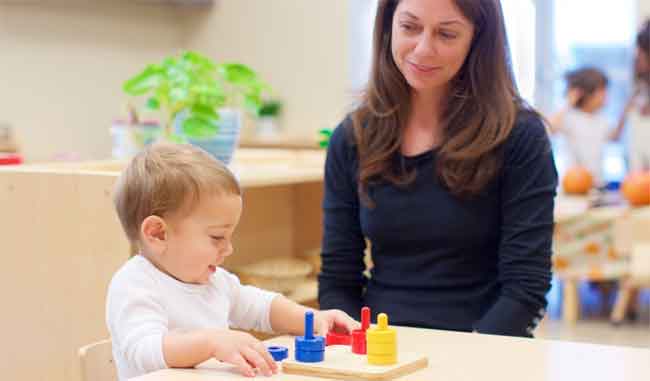
Dr. Maria Montessori recognized that children are “sensory explorers.” They come to understand the world through their five senses. The Sensorial area of the classroom is designed to help the child categorize and label the thousands of impressions they have already received. The technical brilliance of these materials lies in the “Isolation of a Single Quality.” For example, when a child works with the “Color Tablets,” the size, weight, and shape of every tablet are identical; the only variable that changes is the color. This isolation allows the child’s mind to focus entirely on the chromatic difference, providing a level of clarity and focus that is impossible in a cluttered or traditional educational setting.
Categorizing the World
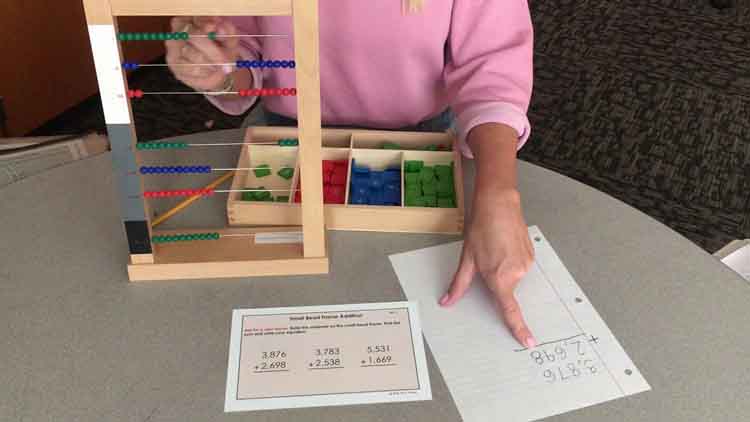
The sensorial materials act as “keys to the universe.” They provide the child with a mental filing system. By working with the “Pink Tower,” the “Brown Stair,” and the “Red Rods,” the child learns to distinguish between dimensions such as large and small, thick and thin, and long and short. These are not just vocabulary lessons; they are mathematical concepts. The child is physically handling the base-ten system and experiencing geometric relationships long before they encounter them in an abstract textbook. This concrete experience ensures that when the child moves to abstract mathematics later, they have a deep, intuitive understanding of the concepts involved because they have literally “held” the math in their hands.
Refining the Senses and Vocabulary
Sensorial work also involves the refinement of the more subtle senses, such as the thermic, baric, and stereognostic senses. Activities like the “Thermic Bottles” or the “Baric Tablets” train the child to notice minute differences in temperature and weight. This refinement leads to a more observant and nuanced individual. Along with this physical training, the guide provides the “Three-Period Lesson” to give the child the precise nomenclature for their discoveries. Instead of just “big,” the child learns terms like “rectilinear,” “opaque,” and “triangular prism.” This rich vocabulary allows the child to express their observations with scientific accuracy, fostering a love for language and precision that carries over into all other areas of study.
The Bridge to Abstraction
The ultimate goal of the sensorial materials is to lead the child toward abstraction. As the child becomes more proficient with the concrete materials, they begin to notice these same patterns in the world around them. They might see a “cylinder” in a soup can or a “sphere” in an orange. This spontaneous discovery is a sign that the child is moving from the “Absorbent Mind” to the “Reasoning Mind.” The sensorial materials provide the bridge. By training the senses and the intellect simultaneously, Montessori education ensures that the child is not just memorizing facts, but is developing the fundamental cognitive structures necessary for high-level thinking, creativity, and problem-solving.