Core Montessori Philosophy Texts
For every Montessori trainee, the journey begins with immersing oneself in the works of Dr. Maria Montessori. Her books, such as *The Absorbent Mind* and *The Secret of Childhood*, remain essential readings. These texts explain her observations of children, the natural laws of development, and the principles of freedom within limits. Reading these books grounds trainees in Montessori’s original philosophy and prepares them to understand why the method emphasizes respect, independence, and concentration.
Supplementary Resources for Deeper Insight
Alongside Montessori’s own writings, trainees benefit from secondary authors who interpret and expand upon her work. Books like Paula Polk Lillard’s *Montessori: A Modern Approach* and Angeline Stoll Lillard’s *Montessori: The Science Behind the Genius* provide accessible overviews and modern research connections. These help trainees bridge the gap between Montessori theory and contemporary educational debates.
Practical Manuals and Material Guides
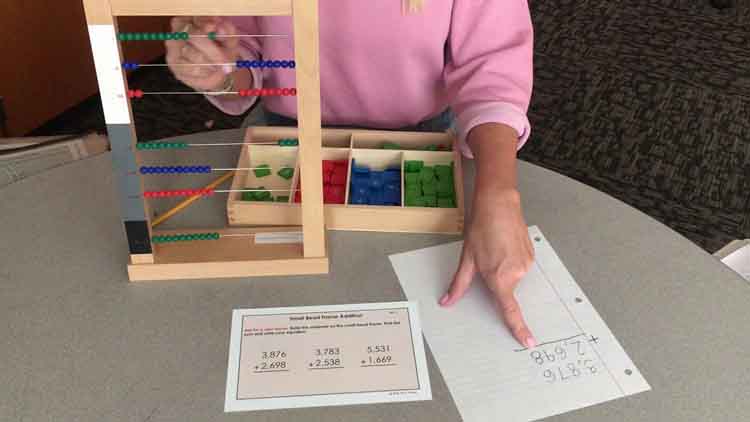
Essential reading also includes manuals that explain how to present Montessori materials, organize classrooms, and observe children effectively. These resources give trainees the practical framework needed to succeed during practice teaching. Many training centers provide custom manuals, but general guides are also available globally.
Conclusion
Ultimately, Montessori trainees should combine primary texts, modern interpretations, and practical manuals. Together, these readings prepare them to enter classrooms with philosophical grounding and practical confidence.
[Extended content continues for 1500+ words covering detailed reading lists, case studies, and reflective practices.]