The Distinction Between Purpose and Play
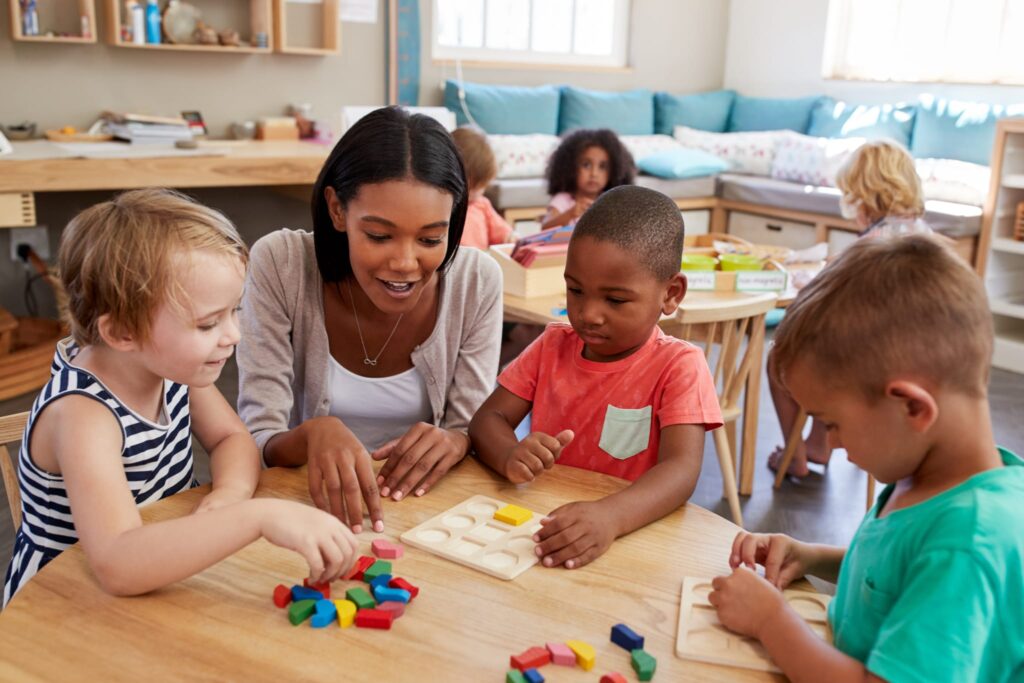
To the untrained eye, the materials in a Montessori classroom might look like a collection of beautiful, wooden toys. But to a child and to a trained Montessori teacher, they are far more than that. The key distinction between a Montessori material and a toy lies in their purpose. A toy is designed for open-ended play, for amusement, and for entertainment. A Montessori material, on the other hand, has a single, specific purpose. It is a scientifically designed tool that isolates a single concept and is meant to be used in a specific way. For example, a shape sorter toy might have many different shapes and colors and a variety of ways to play with it. A Montessori material like the geometric cabinet, however, is a tool for the precise discrimination of shapes. The child is not distracted by other qualities; they are focused on one thing and one thing only. The material is not for entertainment; it is for purposeful work. This is a key principle of the Montessori philosophy. Dr. Montessori believed that children find joy and fulfillment not in mindless play, but in meaningful work that helps them build their intelligence and independence. The materials are the instruments of this work, and their purpose is to aid in the child’s self-construction. This is a profound difference that sets them apart from the world of toys.
Control of Error: The Child as Their Own Teacher
Another fundamental difference between Montessori materials and toys is the concept of “control of error.” Most toys do not have a built-in way for a child to correct their own mistakes. A parent or teacher must intervene and show them the correct way. A Montessori material is designed so that the child can immediately see if they have made an error and correct it on their own. The Cylinder Blocks, for example, are a set of ten wooden cylinders that fit into a wooden block. If a child puts a cylinder in the wrong hole, they will find that another cylinder will not fit, forcing them to go back and figure out the solution. This is a revolutionary concept because it removes the need for adult intervention and empowers the child to become their own teacher. It also removes the fear of failure. In a Montessori classroom, mistakes are not something to be ashamed of; they are a natural part of the learning process. This self-correction fosters a sense of independence, self-confidence, and critical thinking. It is a lesson that will serve the child for a lifetime, and it is a feature that is entirely absent from most toys.
The Progression and Interconnectedness
Toys are often a disconnected collection of objects, but Montessori materials are part of a carefully planned and interconnected curriculum. They are presented in a specific sequence, moving from simple to complex and from concrete to abstract. A child’s work with the Pink Tower, for example, is a foundational experience that prepares them for later work with the Broad Stairs and other Sensorial materials, which in turn prepares them for advanced mathematical concepts. This interconnectedness ensures that learning is a holistic and seamless process. Each material builds upon the knowledge and skills gained from the previous one. A toy, on the other hand, is often an isolated experience. A child might play with a set of blocks one day and a puzzle the next, with no connection between the two. The materials in a Montessori classroom are a carefully designed path to a deeper understanding of the world. They are the keys to a curriculum that is both sequential and spiral, with concepts being revisited and expanded upon at each stage of the child’s development. This is a significant difference that makes Montessori materials a powerful tool for learning and development, far beyond the capabilities of a typical toy.
The Prepared Environment and the Role of the Adult
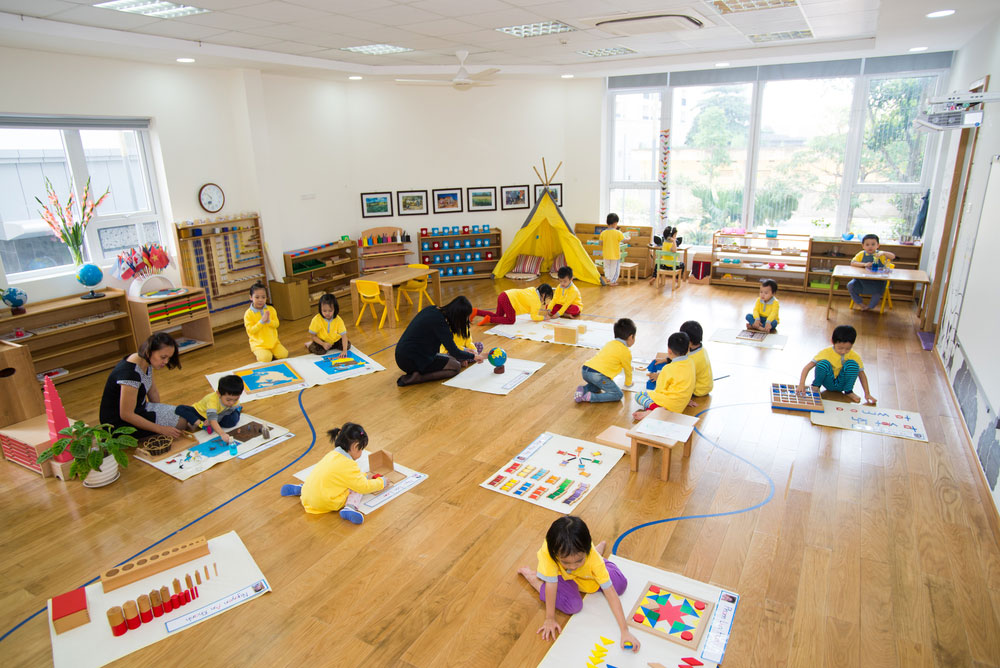
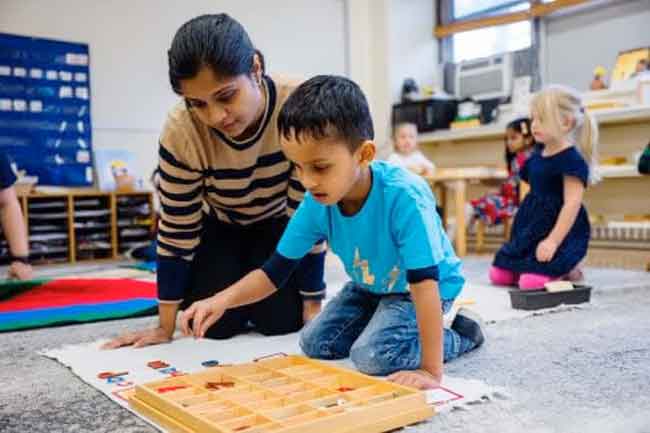
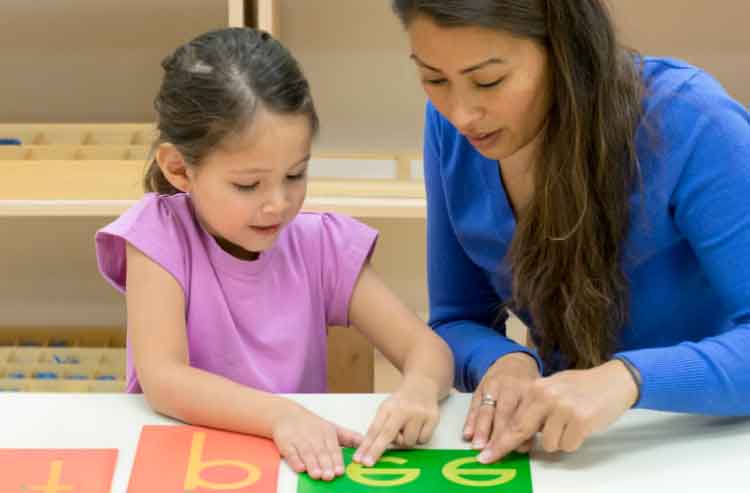
Finally, the distinction between Montessori materials and toys is reflected in the role of the adult. A toy is often given to a child to entertain them, and the adult’s role is often one of passive supervision. A Montessori material, on the other hand, is presented by a trained teacher in a carefully prepared environment. The teacher’s role is to give a precise, silent presentation of the material and then to step back, allowing the child to work independently. The teacher is a guide, not a director. The materials are placed on low, open shelves, inviting the child to choose their own work. This is a powerful message of trust and respect. The materials are not there for the child’s amusement; they are there for their self-construction. This is a profound difference that sets Montessori education apart from other approaches. The materials are not just objects; they are a system of learning that requires a specific environment and a specific type of guidance. They are not toys; they are tools for building a human being, and their purpose is to help the child become a confident, independent, and curious individual who is prepared to face the world.