
Factors That Influence Program Length
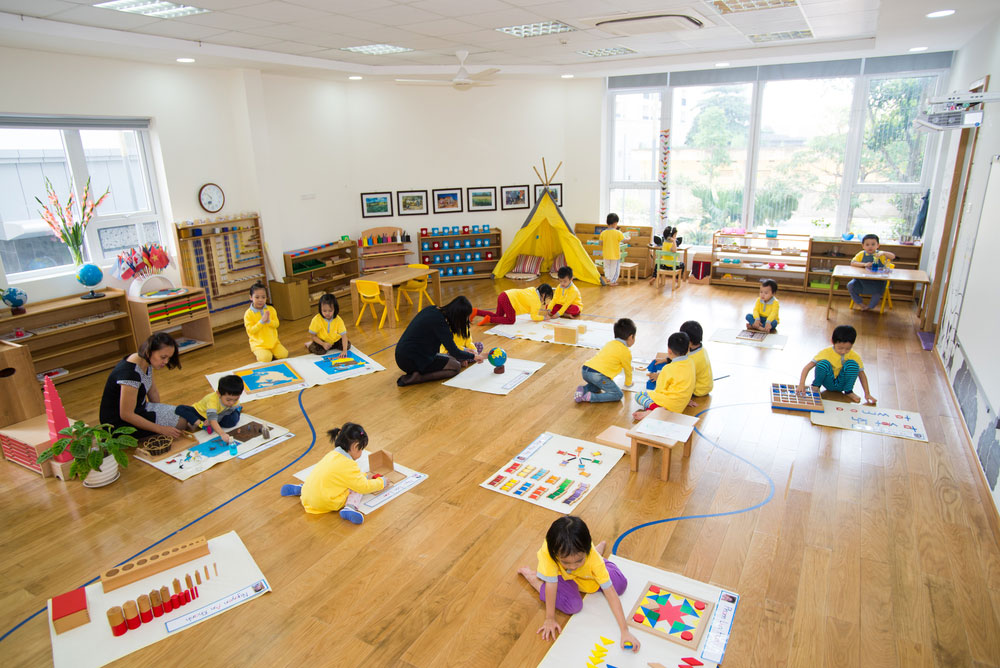
The duration of a Montessori teacher training program is not a one-size-fits-all answer. It can vary significantly based on several key factors, including the age level of certification, the format of the program (full-time, part-time, or online), and the accrediting body. Generally, a full-time, in-person training program for the Primary level (ages 3-6), which is the most common, will take approximately one academic year, or about 9-12 months. This includes a theoretical component, a practical component where you work with the materials, and a practicum or internship in a classroom. The full-time format is highly intensive, with classes, lectures, and practice sessions taking up the majority of the week. For those who cannot commit to a full-time schedule, many training centers offer part-time programs, which can take two or even three years to complete. These programs are often designed for individuals who are already working and can only attend classes on evenings and weekends. The rise of online and hybrid programs has also introduced more flexibility, with some courses combining online lectures and assignments with in-person residencies for practical work. The length of these programs can vary as well, from one to two years, depending on the schedule. It’s important to research the specific program you are interested in and understand its time commitment before you enroll.
The Different Age Levels of Certification
The age level you choose to specialize in also directly impacts the length of the training. Montessori education is a continuum, and training is offered for each “plane of development.”
- Assistant to Infancy (birth to 3): This training focuses on the specific needs of infants and toddlers, including language development, movement, and the creation of a prepared environment for this age group. This program is often as long as a Primary program, lasting 9-12 months full-time.
- Primary (3 to 6): This is the most popular and widely available training program. It is the cornerstone of Montessori education and covers Practical Life, Sensorial, Language, Mathematics, and Cultural Studies. As mentioned, it typically takes one academic year full-time.
- Lower Elementary (6 to 9): This training builds on the Primary foundation and introduces the “Great Lessons,” which are the foundation for the Elementary curriculum. The focus shifts from individual work to group work and research. The duration is often similar to the Primary program.
- Upper Elementary (9 to 12) and Adolescent (12 to 18): These programs are less common but are gaining in popularity. They focus on the specific developmental needs of older children, including the concept of “Erdkinder” (land children) and the integration of academics with real-world experiences. The length of these programs can vary.
Many teachers who are committed to a lifelong Montessori career will complete training for multiple age levels, often starting with Primary and then continuing their education for Elementary or Adolescent certification. The decision of which age level to train for depends on your personal passion and your career goals.
The Practicum: A Critical Component
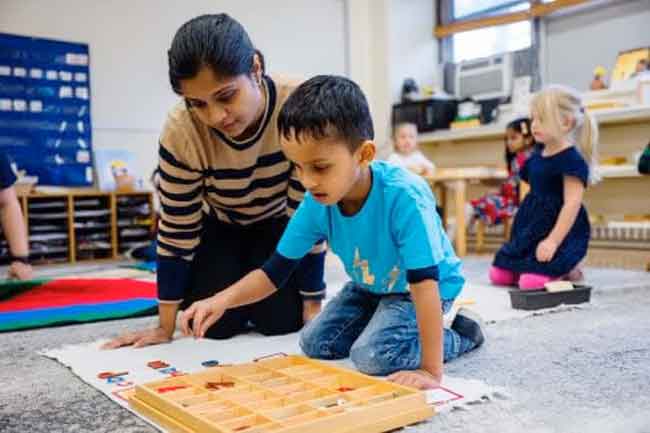
It’s important to note that the classroom component, or “practicum,” is an essential and time-consuming part of any certified Montessori program. After the academic and practical work is completed, you will spend a full academic year working in a real Montessori classroom under the guidance of an experienced mentor teacher. This is not a passive observation; you are an active part of the classroom, giving presentations, observing children, and maintaining the environment. The practicum is where you truly internalize the philosophy and learn to apply your knowledge in a real-world setting. It is often the most challenging but also the most rewarding part of the training. The length of the practicum is typically one full school year, and it is a non-negotiable component of a complete training program. When you are researching programs, make sure you understand the requirements of the practicum, including the number of hours and the type of mentorship you will receive. This is what truly separates a quality program from a superficial one.
The Difference in AMI vs. AMS Training
The duration and format of a program can also depend on the accrediting body. The Association Montessori Internationale (AMI), which was founded by Maria Montessori herself, is known for its rigorous, in-person, full-time programs. The training is often a full year of intensive work, with a strong emphasis on mastering the materials and the philosophy. The American Montessori Society (AMS) offers a slightly more flexible approach, with many training centers offering hybrid and part-time options. While both organizations provide excellent training, their philosophy and format can vary. AMI is often seen as a more traditional, purist approach, while AMS is a bit more progressive, integrating some modern educational practices. When choosing a program, it’s a good idea to research the philosophy of the accrediting body and find one that aligns with your personal beliefs. The length of the program is often a reflection of the depth and rigor of the training. While a shorter program might be tempting, it’s important to remember that this is a transformative journey, and the time you invest is a direct reflection of the quality of the education you will receive and the professional you will become.