The Philosophy of the Prepared Space
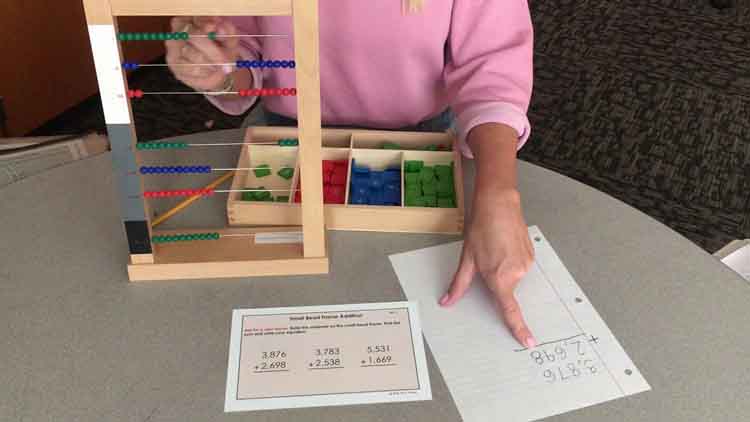
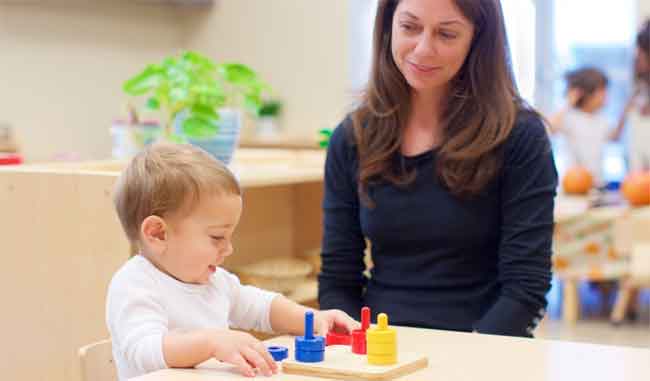
The “Prepared Environment” is a cornerstone of the Montessori preschool experience. Unlike traditional classrooms that are often teacher-centric, a Montessori room is meticulously designed to meet the specific developmental needs of the child. Dr. Maria Montessori believed that if a child is placed in an environment that is proportional to their size and responsive to their interests, they will naturally develop the independence and self-discipline necessary for lifelong learning. This space is not just a room for activities; it is a laboratory for life where every shelf, rug, and piece of furniture serves a pedagogical purpose.
Order and Accessibility in the Classroom
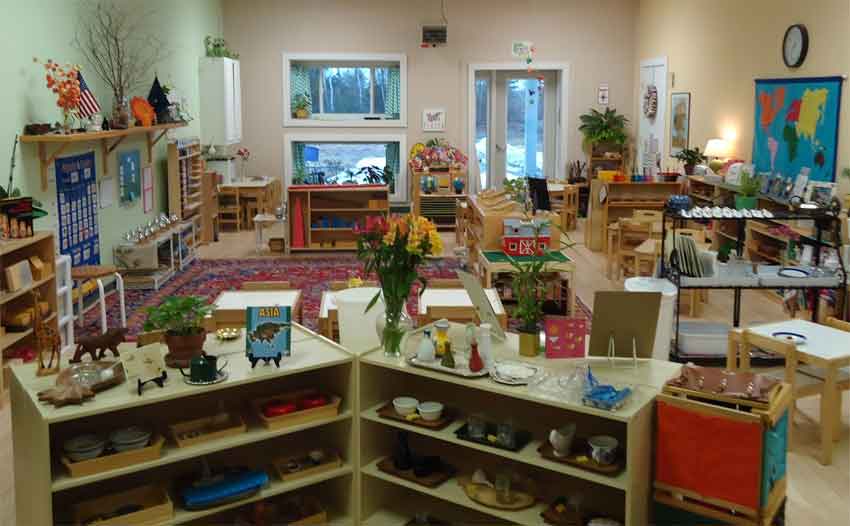
One of the first things an observer notices in a Montessori preschool is the profound sense of order. Everything has a specific place on low, open shelves that are easily accessible to the children. This order is not for the benefit of the adult, but for the child. Children between the ages of three and six have an intense “Sensitive Period” for order. When they know exactly where to find a material and where to return it, they feel secure and empowered. This accessibility allows the child to choose their own work, which is the first step toward developing a strong sense of agency and responsibility. The environment acts as a “silent teacher,” guiding the child through their day without the need for constant adult intervention.
Beauty and Simplicity as Catalysts
A true Montessori environment is characterized by beauty and simplicity. We use natural materials like wood, glass, metal, and cotton rather than bright, distracting plastics. The walls are usually painted in neutral tones to create a calm atmosphere that fosters concentration. The beauty of the materials—such as a shining brass bowl or a delicate glass pitcher—invites the child to work with care and respect. This aesthetic choice is intentional; it teaches the child to appreciate quality and to move with grace and precision. By removing the “clutter” and high-stimulation visuals found in many traditional preschools, we allow the child’s internal light to shine, focusing their energy on the task at hand rather than being overwhelmed by the surroundings.
The Social Dimension of the Space
The prepared environment is also a social environment. It is designed for a multi-age grouping, typically ages three to six. This allows younger children to learn by observing their older peers, while older children reinforce their knowledge by mentoring the younger ones. The layout of the room, with its communal tables and individual work rugs, encourages both independent work and social collaboration. Through “Grace and Courtesy” lessons, children learn how to navigate this shared space, respecting the work of others and contributing to the upkeep of the community. In this way, the preschool environment becomes a miniature society where the child learns the fundamental skills of citizenship, empathy, and cooperation.