Overview: design principles behind Montessori effectiveness
When parents and educators ask why Montessori activities often produce strong developmental outcomes, they are really asking about the design principles that make the approach work. Montessori materials are purposeful, sequenced, and self-correcting; the environment is prepared to minimize adult intrusion and maximize child choice; and teachers act as trained observers and concise presenters. The interplay of these elements creates conditions that reliably foster independence, concentration, and joy in learning. In the sections that follow, we unpack the mechanisms of this effectiveness and offer actionable ways to adopt these principles.
Purposeful materials and progressive difficulty
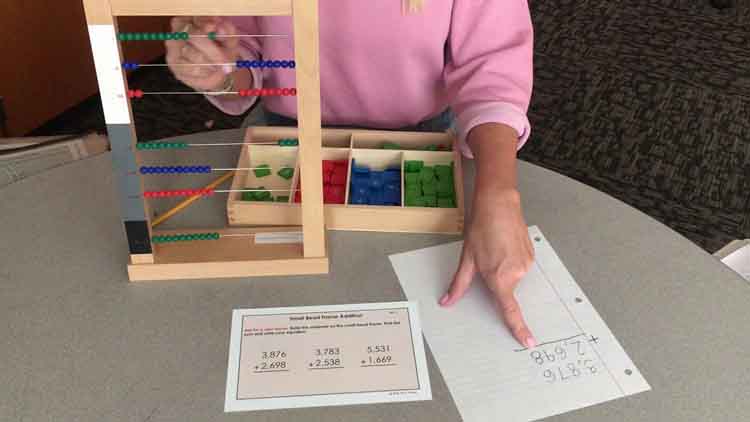
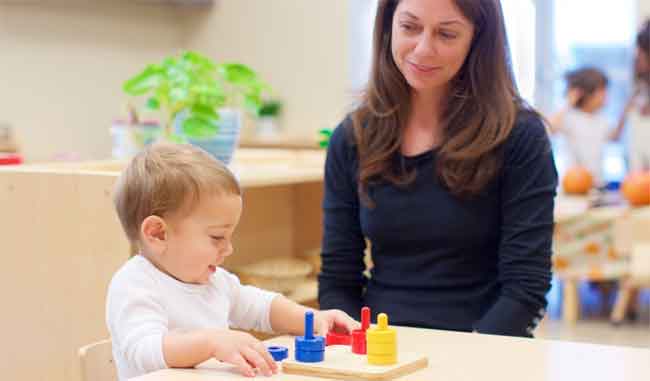
Montessori materials are crafted to isolate single concepts and provide graded variations. For early math, number rods and golden beads make numerical relationships tangible; for sensorial work, the color tablets isolate hue and saturation so children can refine perception. Importantly, materials progress from simple to complex in a predictable sequence. This progressive difficulty ensures that children build mastery step-by-step and are neither bored nor overwhelmed. Mastery at each stage reinforces confidence and motivation, which compounds into more ambitious learning pursuits.
Self-correction and intrinsic feedback loops
Self-correcting materials are central to Montessori’s power. When a child can see and correct errors independently—through the material’s design or an obvious mismatch—they learn to evaluate their own work without relying on adult validation. This fosters metacognition: children begin to notice patterns in their mistakes and to self-regulate their learning strategies. Intrinsic feedback supports persistence because the child experiences the satisfaction of solving problems for themselves rather than depending on external rewards.
Freedom of choice balanced with clear limits
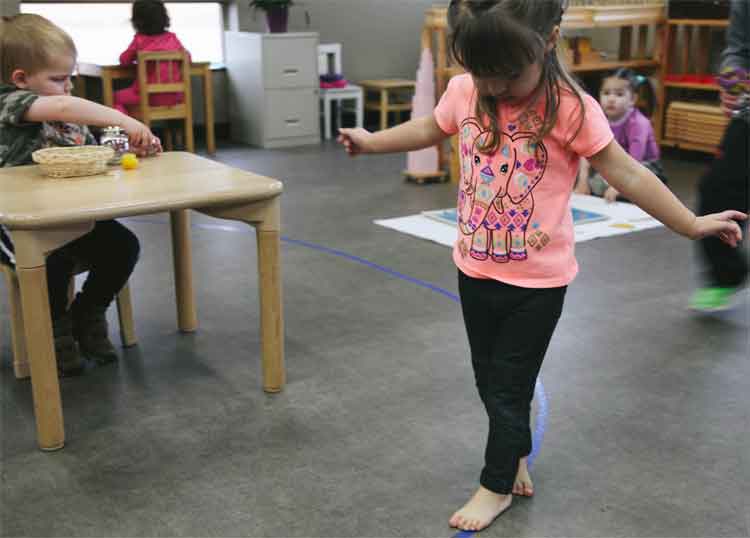
The concept of “freedom within limits” in Montessori is not permissiveness; it’s carefully framed autonomy. Children choose their work freely from a curated selection, but expectations about behavior and respect for materials are explicit and consistent. This balance preserves agency while maintaining community order—reducing conflicts and creating an environment conducive to focused work. Over time, children internalize these norms and can exercise freedom responsibly, a skill that serves them through school and life.
Extended work periods and deep concentration
Montessori classrooms typically schedule long, uninterrupted work periods. This allows children to become absorbed in a task and to return to it without fragmentation. Deep concentration, once established, becomes a self-reinforcing habit: the child learns that focused effort leads to visible progress and personal satisfaction. For preschoolers, these concentrated states are particularly valuable because they train the developing neural circuits involved in attention and executive control.
Teacher’s role: precise, respectful, and observational
The Montessori teacher models the values of the method by preparing the environment, offering clear demonstrations, and then stepping back to observe. Teachers learn to give brief, precise lessons tailored to a child’s readiness and to keep their interventions minimal and strategic. This approach respects children’s natural pacing and encourages autonomy. Observation becomes the most important diagnostic tool: teachers decide what to introduce next based on how a child engages with current materials.
Social structure that supports learning
Mixed-age groupings create natural mentorship and reduce competitive pressure. Younger children gain inspiration from older peers, and older children practice leadership by teaching. This social configuration fosters collaboration, communication, and empathy. It also creates a culture where focus and respect for work become normative behaviors—children learn from the community as much as from individual lessons.
Embedding executive function in daily activities
Montessori activities inherently exercise executive functions: planning (deciding what activity to do and how to prepare materials), working memory (remembering steps), inhibition (waiting one’s turn), and cognitive flexibility (shifting strategies when a task is challenging). Because these executive skills are exercised in meaningful, hands-on contexts, they generalize well to other school tasks and everyday problem solving. The result is children who are better prepared to follow multi-step instructions, manage frustration, and persist on challenging tasks.
Cultural and contextual adaptability
Although Montessori has a specific set of materials and practices, its principles are adaptable to diverse cultural contexts. Core ideas—child-sized environments, sequenced materials, respect for the child—can be implemented with locally available materials and cultural content. This flexibility makes Montessori a feasible model for communities with varying resources, provided educators maintain the fidelity of the method’s guiding principles.
Practical tips for educators and families
To capture some of Montessori’s effectiveness, focus on preparing accessible spaces, offering materials that isolate single qualities, and protecting uninterrupted work time. Encourage self-correction by designing activities with clear outcomes and avoid excessive adult interruption. Model precise language and scaffold social routines with simple scripts. These small changes can dramatically shift a child’s experience of learning from passive reception to active exploration.
Conclusion: mechanisms behind meaningful change
Montessori is effective not because of any single gimmick but because it creates an ecosystem that aligns with how children naturally learn. Through purposeful materials, self-correction, extended concentration, and respectful adult guidance, Montessori fosters robust cognitive, social, and emotional foundations. For preschoolers, these foundations translate into increased independence, better attention, and a positive orientation to learning that often continues well beyond the early years.