Materials as the engine of practice
Montessori materials are designed to isolate a single quality and often offer self-correction, which encourages independent problem solving. At home, materials help children practice motor skills, sensory discrimination, language, and early math. Materials should be displayed clearly and limited in number to prevent overstimulation. A small, intentionally selected set of objects yields deeper learning than a large, disorganized toy collection.
Examples of high-impact home materials
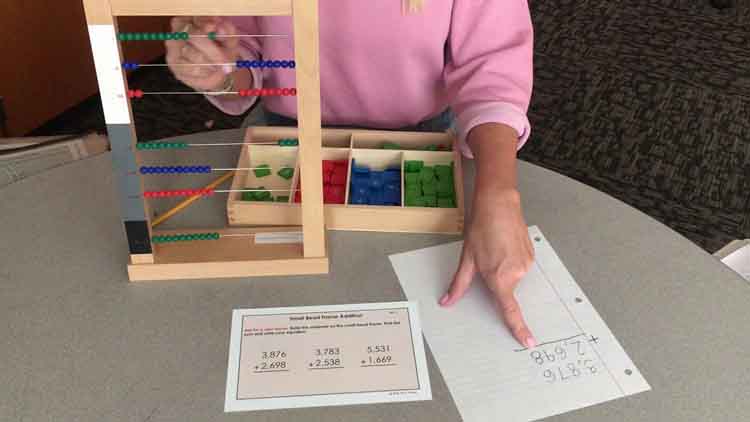
High-impact choices include sandpaper letters (for multisensory letter-sound mapping), movable alphabet (for word building), bead chains or counting objects (for concrete numeracy), and practical life kits (pouring set, cloth folding, dressing frames). For sensorial work, simple DIY options—colored cards, fabric swatches, jar lids sorted by size—work effectively. The key is that each activity isolates a single concept and gives the child immediate feedback on success.
Presentation and self-correction
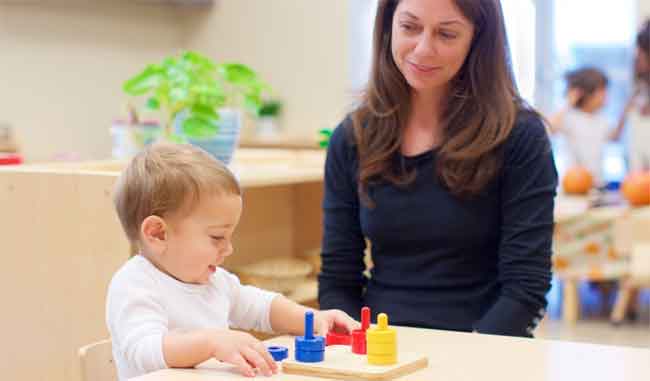
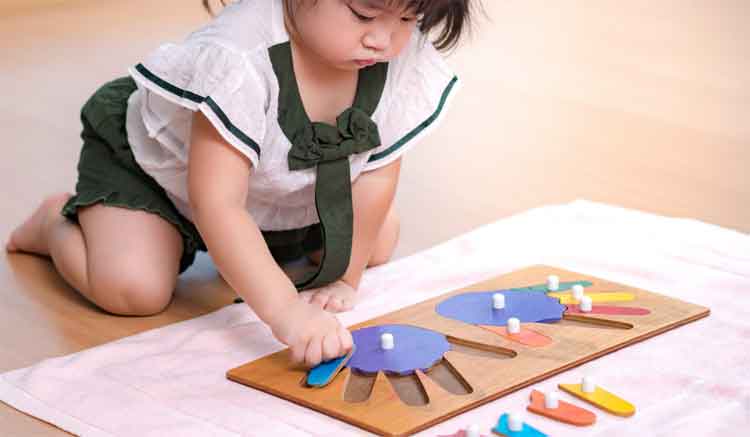
Present materials on trays with minimal instruction. Many materials are self-correcting: sorting tasks where wrong combinations are visually evident, stacking activities where incorrect order is obvious, or matching pairs where mismatch is noticeable. Self-correction helps children develop internal standards and metacognitive skills—learning to evaluate their own results without constant adult validation.
Rotating and scaffolding complexity
Rotate materials to sustain interest and scaffold increasing complexity. Begin with simple, tangible tasks and progress to those that require more abstraction. For example, for numeracy: start with counting real objects, progress to bead stair or rods, then move toward symbolic numerals and simple operations when the child is ready. Observation guides timing.
Durability and aesthetics
Choose durable, visually pleasing materials when possible. Wooden items or natural textures invite careful handling and convey respect for learning. However, practicality matters—adapt with household items if budget or access is limited. Beauty encourages care; durability supports repeated practice.
DIY approaches and cost-effective strategies
Many families successfully create Montessori experiences on a budget. Use labeled jars for sorting, laminated picture cards for classification, and simple trays for transfer activities. The pedagogical intention—clear isolation of a quality, limited choices, and an inviting presentation—matters more than purchased branding.
Teaching care for materials
Include explicit routines for returning and caring for materials: a small cloth to wipe spills, a demonstrated folding sequence, and a place for each tray. Teaching care is part of the lesson—children learn respect for objects and for the learning environment, reinforcing responsibility and order.
Conclusion: materials create structured learning
Materials are the primary tool for translating Montessori principles into concrete practice at home. Thoughtful selection, clear presentation, self-correction, and rotation create repeated opportunities for deep learning and independence. Even simple, low-cost materials can yield high educational returns when presented intentionally and maintained with care.