Balancing rhythm and flexibility
A Montessori homeschool day balances a consistent rhythm with the flexibility to follow the child’s interests. Establishing predictable anchors—morning routine, a long work block, snack and outdoor time, and a closing ritual—creates the security that supports concentration. Within those anchors, let the child choose activities from the prepared environment. Flexibility allows a longer session if a child is absorbed or a shorter one if the child is tired. The schedule should adapt to developmental needs rather than forcing the child into adult timeframes.
Work cycles and uninterrupted time
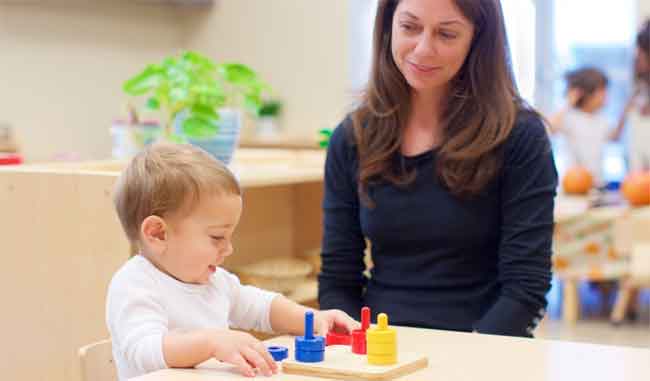
Protecting uninterrupted work cycles is a priority. For preschool children, aim for a 45–90 minute morning cycle, depending on the child. During this time, minimize interruptions and step back from constant prompting. Prepare a set of activities appropriate to the child’s current skills and offer brief, precise demonstrations when introducing a new material. The presence of an adult who can calmly observe and give one-on-one lessons when needed is more important than a rigid timetable.
Integration of practical life and academics
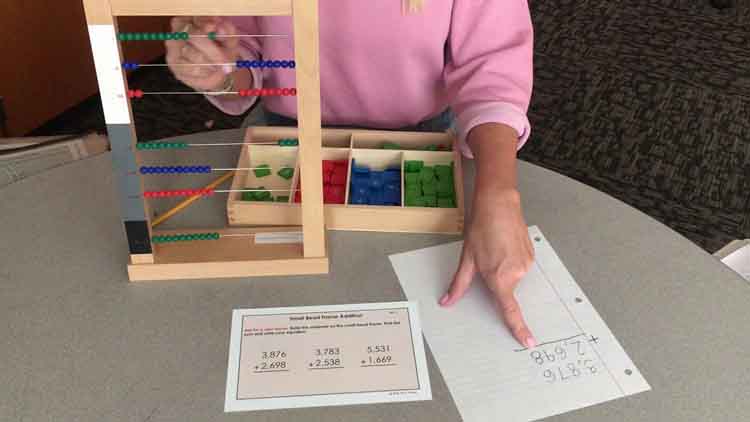
Montessori integrates practical life with sensorial, language, and math learning rather than isolating academics into separate blocks. Include daily practical life tasks—food preparation, plant care, or laundry folding—alongside sensorial and early literacy materials. This integration gives learning a natural context: counting becomes part of cooking, vocabulary expands during nature walks, and fine motor control develops through real tasks that matter.
Outdoor time and whole-child learning
Nature is an extension of the classroom. Regular outdoor sessions support gross motor development, natural science inquiry, and sensory exploration. Simple outdoor activities—gardening, collecting natural objects, observing insects—are rich in scientific content and invite curiosity-driven learning. Plan for daily outdoor opportunities when possible, adjusting for weather and safety.
Incorporating group time and independent work
Balance group learning and independent work. Group time can be brief—song, story, or a short demonstration—and is most effective when it models language and cultural lessons. Independent work periods are where the deepest learning happens, so ensure they are long enough for absorption. If homeschooling multiple children, stagger work cycles or use parallel activities to preserve independent time for each child.
Documenting progress: portfolios and observations
Keep a portfolio of the child’s work: photographs of projects, short notes on new skills, and examples of drawings or early writing. Use observations to decide when to introduce new materials and when to repeat practice. Portfolios create a narrative of growth and can be shared with older children to encourage reflection on progress.
Meal and household routines as learning opportunities
Use meals and chores as embedded lessons. Cooking practices support fractions and sequencing, while setting the table teaches order and classification. When children help with real household tasks, they learn planning, coordination, and responsibility. These everyday contributions reinforce the dignity of work and the idea that learning is woven through daily life.
Strategies for multi-age households
In multi-age homes, design activities that allow siblings to work side-by-side with different complexity levels. Older children can mentor younger ones, which strengthens their own skills and fosters leadership. Rotate materials so each age group has appropriate challenges, and create shared tasks that require cooperation, such as preparing a snack together.
Handling interruptions and parent responsibilities
Parents inevitably juggle household duties; manage interruptions by setting clear signals—a closed tray or a small visual cue—that indicate a child’s focused work time. For essential interruptions, practice brief transitions and return quickly to the child’s work zone. Communicate expectations kindly and model calm transitions to reduce stress for the child.
Conclusion: rhythm fosters deep learning
Structuring a homeschool day in a Montessori way is about rhythms more than rigid schedules. Establish predictable anchors, protect long work blocks, and integrate meaningful life tasks with sensorial and academic materials. When the day supports autonomy and concentration, children have the space to develop independence, curiosity, and deep learning habits.