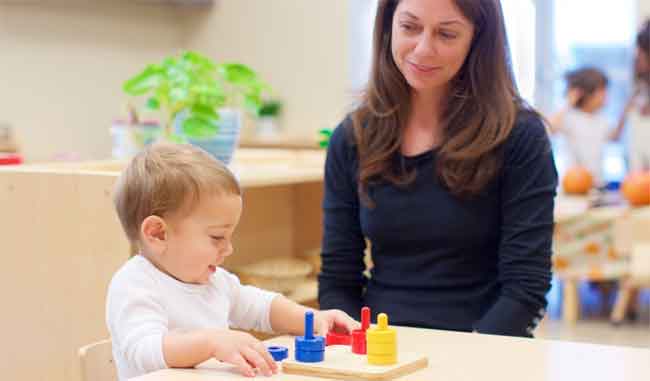

Emotional intelligence is a fundamental skill for Montessori teachers because it directly influences how they interact with children and guide their development. In a Montessori environment, education is not limited to academics; it includes emotional, social, and behavioral growth. Teachers who understand emotions can create a calm, respectful, and supportive learning space where children feel safe and confident.
Understanding Emotional Intelligence
Emotional intelligence involves recognizing, understanding, and managing emotions effectively. It includes self-awareness, self-control, empathy, and strong interpersonal skills. Montessori teachers must practice these skills daily because children often express emotions in raw and unfiltered ways. A teacher’s ability to respond calmly and thoughtfully sets the tone for the classroom.
Importance in Montessori Classrooms
Montessori classrooms emphasize independence and self-directed learning. Emotional intelligence supports this approach by allowing teachers to step back and observe rather than control. Instead of reacting quickly to behavior, emotionally intelligent teachers pause, assess, and guide children gently. This creates a respectful learning environment where children feel valued.
Building Trust and Connection
Children learn best when they trust their teacher. Emotional intelligence helps build strong relationships by encouraging open communication and understanding. When a teacher listens attentively and responds with empathy, children feel heard and respected. This trust fosters confidence and encourages children to participate actively in learning.
Handling Emotional Situations
Classrooms often involve conflicts, frustration, and emotional outbursts. Teachers with high emotional intelligence can handle these situations calmly. Instead of punishing, they guide children to understand their emotions and find solutions. This approach teaches children emotional regulation and problem-solving skills.
Long-Term Impact
Emotional intelligence benefits children beyond the classroom. When teachers model emotional awareness and empathy, children learn to manage their own emotions and build positive relationships. These skills are essential for lifelong success.
Emotional intelligence is essential for Montessori teachers. It enhances teaching effectiveness, strengthens relationships, and supports holistic development. By practicing emotional intelligence, teachers create a nurturing environment where children can thrive emotionally and academically.