Creative problem solving is a vital skill in Montessori environments, where children are encouraged to think independently and explore solutions through hands-on experiences. Unlike traditional classrooms that often emphasize fixed answers, Montessori education values the process of discovery. Encouraging creative problem solving helps children develop confidence, resilience, and critical thinking skills that are essential for lifelong learning.
Understanding Creative Problem Solving
Creative problem solving involves the ability to approach challenges with flexibility and originality. It requires children to analyze situations, experiment with different approaches, and adapt when faced with obstacles. In Montessori classrooms, this skill is nurtured through carefully designed materials and activities that invite exploration rather than dictate outcomes.
The Role of the Montessori Environment
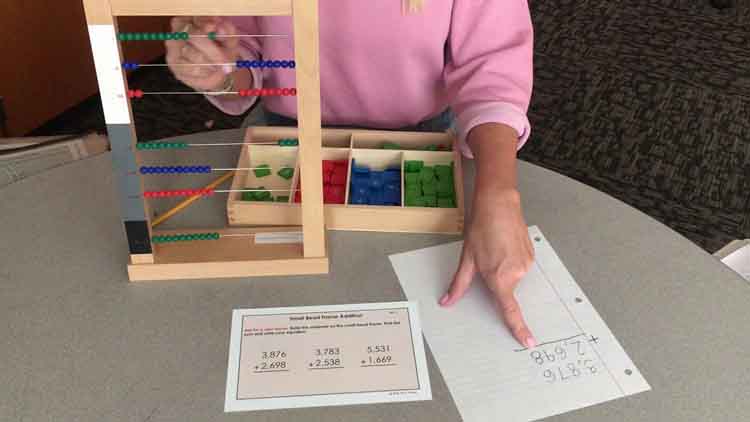
The prepared environment is central to fostering creative problem solving. Materials are arranged in a way that encourages independent exploration and self-correction. When children encounter challenges, they are not immediately given answers. Instead, they are encouraged to try again, observe outcomes, and refine their approach. This process builds persistence and creativity.
Teacher as a Guide
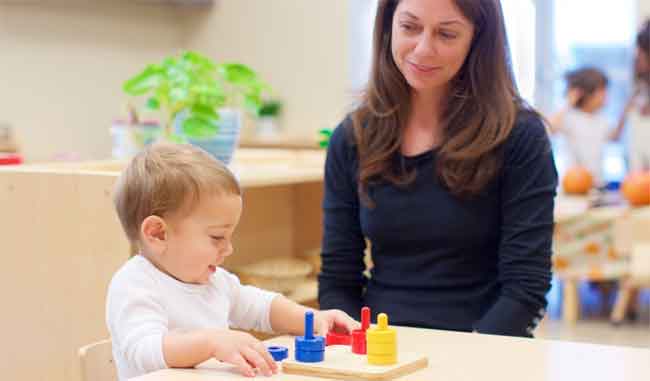
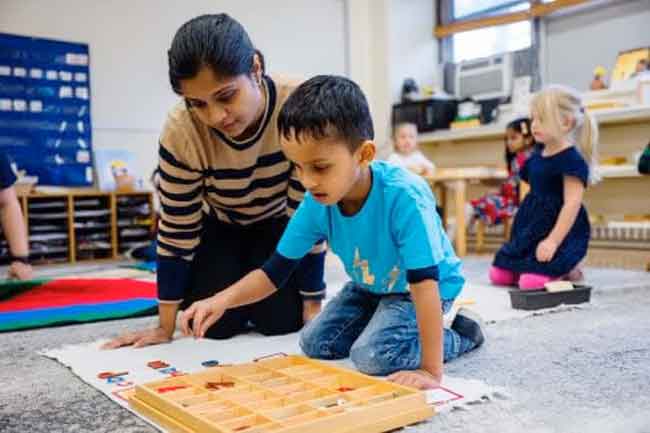
Montessori teachers play a crucial role in supporting creative problem solving. Rather than providing direct solutions, they observe and guide children subtly. By asking open-ended questions and offering minimal intervention, teachers help children think critically and develop their own solutions. This guidance promotes independence and self-confidence.
Encouraging Exploration and Experimentation
Children learn best when they are free to explore and experiment. Montessori classrooms provide opportunities for hands-on learning where children can test ideas and learn from mistakes. This freedom encourages curiosity and innovation. Mistakes are viewed as learning opportunities rather than failures, which helps children develop a positive attitude toward challenges.
Building Confidence and Independence
Creative problem solving empowers children to take ownership of their learning. When children successfully solve problems on their own, they gain confidence in their abilities. This confidence motivates them to take on new challenges and continue exploring. Independence becomes a natural outcome of this process.
Developing Critical Thinking Skills
Through creative problem solving, children learn to analyze situations, evaluate options, and make decisions. These critical thinking skills are essential for academic success and everyday life. Montessori education emphasizes these skills by encouraging children to think deeply and reflect on their experiences.
Real-Life Applications
The skills developed through creative problem solving extend beyond the classroom. Children learn to approach real-life challenges with creativity and resilience. Whether solving social conflicts or tackling academic tasks, they apply the same problem-solving strategies learned in the Montessori environment.
Encouraging creative problem solving in Montessori environments is essential for holistic development. It fosters independence, confidence, and critical thinking, preparing children for future challenges. By creating a supportive and stimulating environment, Montessori educators empower children to become innovative thinkers and lifelong learners.