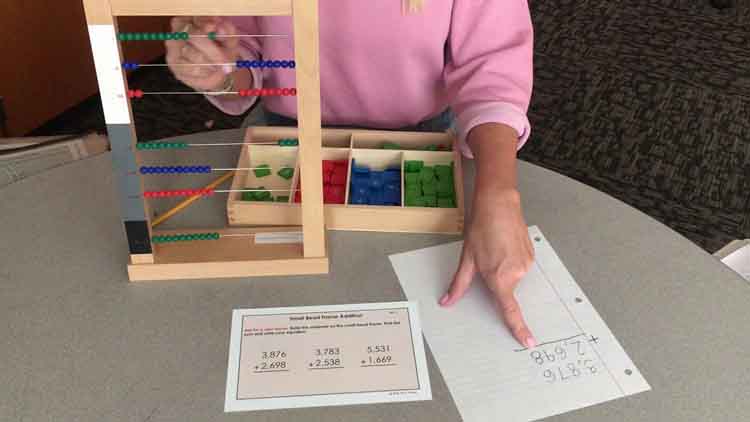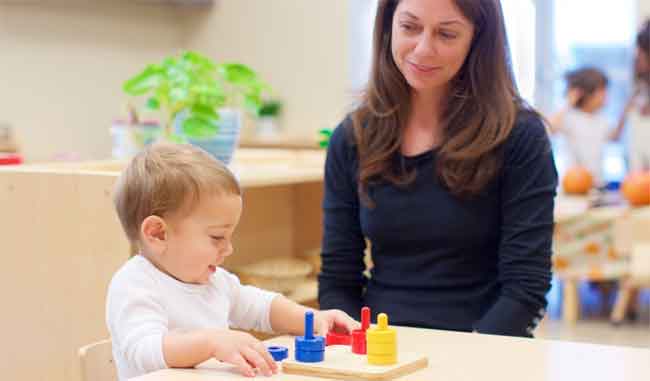

Hybrid Montessori homeschooling is an innovative educational model that blends the independence and self-directed learning of Montessori with the community and social experiences of co-ops or Montessori centers.
Families increasingly adopt this approach to balance personalized learning, flexibility, and social interaction. Understanding the key benefits helps parents make informed decisions about whether this hybrid approach aligns with their child’s needs and family goals.
One of the most powerful advantages of hybrid Montessori homeschooling is personalized learning.
- Child-Led Pace: Children choose the order, pace, and focus of their work. Some may spend weeks mastering mathematics, while others explore language or practical life.
- Tailored Materials: Parents and co-op facilitators can introduce lessons and materials that match the child’s developmental stage and interests.
- Flexible Scheduling: Home learning allows children to work when they are most focused, while co-op days provide social reinforcement.
This customization ensures children are challenged without being overwhelmed, fostering confidence and mastery.
Montessori principles emphasize self-directed learning, and the hybrid model reinforces independence at home.
- Practical Life Skills: Children learn cooking, cleaning, organization, and problem-solving—skills that prepare them for life beyond school.
- Decision-Making: By choosing activities, managing time, and solving problems, children develop strong executive function skills.
- Ownership of Learning: Independence fosters motivation and engagement because children feel responsible for their success.
Hybrid homeschooling allows children to experience autonomy at home while practicing social independence during co-op interactions.
While homeschooling often raises concerns about socialization, hybrid Montessori addresses this through co-op participation.
- Mixed-Age Collaboration: Children teach and learn from peers of varying ages, enhancing empathy, patience, and mentorship skills.
- Group Projects: Practical life activities, art, and community work provide authentic opportunities for collaboration.
- Conflict Resolution: Children navigate social challenges in supportive settings, learning negotiation and communication.
Hybrid co-ops offer structured social interaction without the pressures of traditional classrooms, fostering meaningful connections.
Montessori materials are often costly and specialized. Hybrid models provide shared access to resources:
- Co-op Materials: Children can use materials they may not have at home, such as bead chains, sandpaper letters, or cultural artifacts.
- Expert Guidance: Trained co-op facilitators introduce lessons, ensuring children receive proper Montessori instruction.
- Home and Community Alignment: Parents reinforce learning at home while children gain exposure to new concepts in co-op settings.
This combination maximizes the effectiveness of Montessori principles without requiring full-time institutional enrollment.
Hybrid Montessori homeschooling is highly adaptable to family schedules and lifestyles:
- Part-Time Co-op Participation: Families can choose the number of days children attend co-ops.
- Integration with Travel or Work Commitments: Home learning allows flexibility for families with varied routines.
- Adaptable Curriculum: Parents can adjust subjects, projects, and activities according to interests and seasonal opportunities.
This flexibility supports work-life balance, reduces stress, and allows learning to happen in diverse, meaningful contexts.
Hybrid Montessori fosters curiosity and intrinsic motivation:
- Interest-Based Exploration: Children follow their passions, discovering new areas of knowledge naturally.
- Reflection and Self-Evaluation: Observation and journaling encourage metacognition, self-awareness, and critical thinking.
- Preparation for Real Life: Practical skills, social competence, and problem-solving develop alongside academic knowledge.
This holistic approach helps children internalize a love of learning that extends beyond childhood.
Hybrid Montessori models are inherently inclusive, accommodating children with different learning styles and needs:
- Differentiated Learning: Materials and lessons can be adapted for visual, auditory, kinesthetic, or hands-on learners.
- Self-Paced Progression: Children who need more time on a subject are not rushed; advanced learners can move ahead.
- Collaborative Support: Older or more advanced children naturally mentor younger peers, reinforcing learning for both parties.
The hybrid approach ensures all children can thrive without stigma or undue pressure.
- Case Study 1: The Independent Learner
A 7-year-old spends mornings working independently on math projects at home and joins co-op sessions for social enrichment. Confidence and curiosity soar. - Case Study 2: The Social Explorer
A 10-year-old thrives in co-op discussions and group projects while pursuing individualized language arts lessons at home. Academic growth and social skills develop in tandem. - Case Study 3: The Family-Oriented Learner
In a large family, children rotate teaching each other under parental guidance, while co-op days introduce new challenges and collaborative projects. The model supports independence, mentorship, and family harmony simultaneously.
So, what are the key benefits of hybrid Montessori homeschooling? In short, children gain personalized learning, independence, social development, access to expert guidance, flexibility, lifelong learning habits, and support for diverse needs.
This model uniquely combines the strengths of Montessori philosophy with the flexibility and intimacy of homeschooling. Children grow academically, socially, and emotionally while parents retain active involvement and community support.
Hybrid Montessori homeschooling is more than an educational strategy—it’s a lifestyle that nurtures curiosity, responsibility, and joy in learning, preparing children not just for school, but for life.