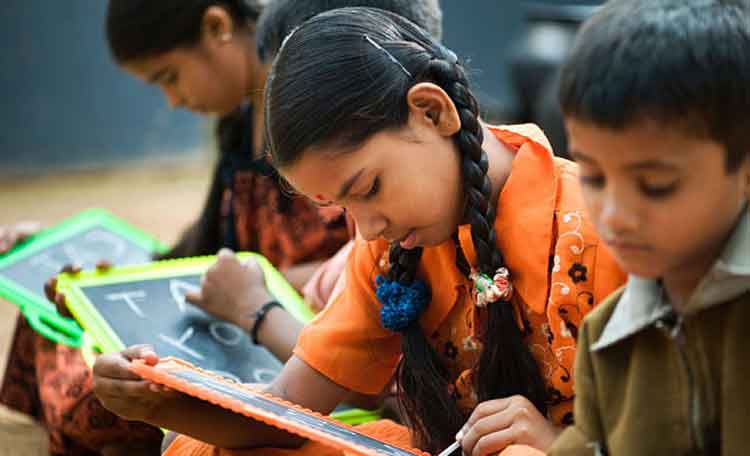
The Montessori method has a rich history and a strong presence in India, particularly in urban, private schools. However, its reach has been limited, and the majority of the country’s children, especially those in rural and low-income areas, do not have access to this transformative educational approach. Making Montessori accessible in India is a multifaceted challenge that requires innovation, collaboration, and a deep commitment to social equity. It is not enough to simply open more schools; the approach must be adapted to the realities of the Indian context, from the economic constraints of local communities to the unique cultural and linguistic diversity of the country. This requires a new generation of leaders who are not just committed to the philosophy, but are also skilled at navigating the complexities of social entrepreneurship and systemic change. The enduring legacy of Maria Montessori’s time in India is a testament to the power of her ideas, but the future of her work in the country depends on our ability to make those ideas a reality for all children, regardless of their background or circumstance. This is a monumental task, but it is one that is well worth the effort, as it has the potential to transform not just individual lives, but the entire nation. It is a commitment to the belief that every child, regardless of where they are born, deserves an education that respects their dignity, celebrates their potential, and empowers them to become the best version of themselves.
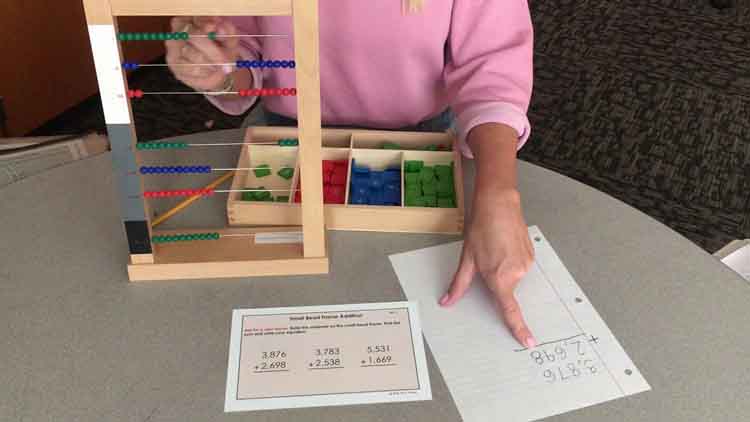
One of the biggest barriers to accessibility is the cost of authentic Montessori materials and teacher training. The traditional materials, made from high-quality natural materials, can be expensive to produce and import. The training, with its extensive practicum and rigorous curriculum, can also be a significant financial investment for aspiring educators. One solution to this challenge is to develop **affordable, locally-sourced materials** that are aligned with the Montessori philosophy. This can be done by partnering with local artisans and craftspeople to create materials from readily available and sustainable resources. The focus should be on the purpose of the material, not on its exact form or composition. The goal is to provide the same learning experience with a different set of tools. Another solution is to develop **flexible and affordable teacher training models**. This can include blended learning programs that combine online instruction with in-person practicum, or a tiered training system that allows educators to gain certification in stages. The goal is to make the training more accessible to aspiring educators from all walks of life, and to create a larger pool of trained professionals who can serve a wider range of communities. This is not about compromising the quality of the training, but about finding creative ways to make it more accessible. The professional development of a Montessori educator is a continuous journey, and the training is just the beginning. By making the training more accessible, we can create a larger and more diverse community of educators who are committed to the philosophy.
Adapting the Montessori Method for Diverse Contexts
Making Montessori accessible also requires **adapting the method to diverse cultural and linguistic contexts**. The traditional Montessori curriculum, developed in Italy, is not always a perfect fit for the realities of Indian life. The materials and lessons can be adapted to reflect the local culture, language, and environment. For example, a practical life lesson on preparing a Western-style meal can be replaced with a lesson on preparing a traditional Indian dish. A lesson on the geography of Europe can be replaced with a lesson on the geography of India. The goal is to make the curriculum relevant and meaningful to the child, while staying true to the core principles of the philosophy. This requires a deep understanding of both the Montessori method and the local culture, and a willingness to be creative and innovative. It also requires a commitment to **multilingual education**. India is a country with hundreds of languages, and a child’s first language is often not English. A true Montessori education must be delivered in the child’s mother tongue, as it is the language of their heart and soul. This requires developing a new set of materials and a new approach to instruction that is tailored to the linguistic diversity of the country. The professional development of a Montessori educator is a continuous journey, and the training is just the beginning. By making the training more accessible, we can create a larger and more diverse community of educators who are committed to the philosophy. This is the enduring legacy of Dr. Montessori’s vision for teacher education, a vision that sees the teacher not as a technician, but as a guide in the truest sense of the word. A teacher who is constantly learning is a teacher who is constantly evolving, and a teacher who is constantly evolving has the power to transform not just a classroom, but the world.
The Role of Leadership and Advocacy
Finally, making Montessori accessible in India requires **strong leadership and a commitment to advocacy**. The Montessori community must work together to educate parents, policymakers, and the public about the benefits of the method. This requires clear communication, a strong brand identity, and a commitment to upholding the highest standards of the philosophy. The leaders of the Montessori movement in India must be skilled at navigating the complexities of the educational system, from securing government support to building partnerships with community organizations. They must be willing to be a voice for the child, advocating for an education that is not just about academic success, but about the development of the whole person. The professional development of a Montessori educator is a continuous journey, and the training is just the beginning. By making the training more accessible, we can create a larger and more diverse community of educators who are committed to the philosophy. This is the enduring legacy of Dr. Montessori’s vision for teacher education, a vision that sees the teacher not as a technician, but as a guide in the truest sense of the word. A teacher who is constantly learning is a teacher who is constantly evolving, and a teacher who is constantly evolving has the power to transform not just a classroom, but the world. This is the ultimate goal of continuous professional development in the Montessori method, and it is a legacy that has the power to transform not just a school, but the world. It is a commitment to being a part of a community that is always learning, always growing, and always striving to be a better guide for the child. This is the enduring legacy of Dr. Montessori’s vision for teacher education, a vision that sees the teacher not as a technician, but as a guide in the truest sense of the word.