Observation in Montessori education is a refined practice grounded in intention, patience, and scientific curiosity. Montessori teachers observe not to judge or control but to understand and support. During Montessori teacher training, trainees are taught specific methods and attitudes that distinguish Montessori observation from casual watching.The first principle of Montessori observation is preparation of the observer. Teachers learn that effective observation begins internally. The adult must let go of preconceived ideas, expectations, and labels. This mental neutrality allows the observer to perceive the child clearly, without distortion.Montessori teachers observe with a purpose. They look for signs of readiness, interest, and development. Rather than scanning the entire room constantly, the teacher may focus on one child or one area at a time. This focused observation provides deeper insight than surface-level monitoring.
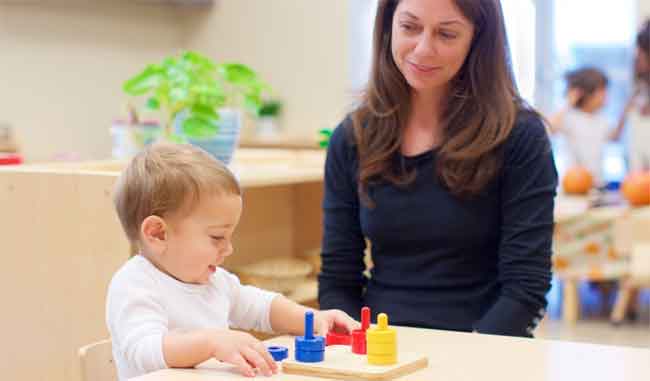
One important technique taught in Montessori training is indirect observation. Instead of standing close or hovering, the teacher positions themselves discreetly within the environment. This allows children to act naturally without feeling watched or evaluated.Teachers observe movement carefully. Movement reveals cognitive and emotional states. Repetitive movements may indicate a sensitive period, while restless movement may suggest unmet needs. Montessori teachers are trained to interpret movement as communication rather than misbehavior.
Another key aspect is observing choice. What materials does a child select? How often do they return to certain activities? Do they complete work independently? These choices provide valuable data about interests, readiness, and confidence.Montessori teachers also observe social interactions. They notice how children collaborate, resolve conflicts, offer help, or seek solitude. These observations guide lessons in grace and courtesy and help the teacher support social development without unnecessary intervention.
Recording observations is a vital practice in Montessori training. Teachers learn to document what they see objectively. Written observations help track progress over time and inform planning. These records replace traditional assessments and provide a holistic view of development.Teachers are trained to observe errors. Montessori materials are designed with control of error, allowing children to self-correct. Observing how a child responds to mistakes—whether they persist, seek help, or abandon the task—offers insight into resilience and independence.
Timing is another critical skill. Montessori teachers observe to determine the right moment for a lesson. Presenting a material too early can cause frustration, while presenting too late may miss a sensitive period. Observation helps teachers act with precision.Teachers also observe the environment itself. Is it orderly? Are materials complete? Is there sufficient space for movement? Environmental observation ensures that the classroom supports independence and concentration.
In Montessori training, teachers learn to differentiate between observation and intervention. Not every difficulty requires adult involvement. Observation helps the teacher decide when to step in and when to trust the child’s ability to resolve challenges independently.Reflection follows observation. Teachers review their notes, consider patterns, and adjust their approach. Reflection transforms raw data into understanding and informed action.
Over time, Montessori teachers develop a trained eye. They notice subtle changes in behavior, posture, and engagement that others might miss. This sensitivity allows them to respond with empathy and precision.Observation also nurtures respect. When teachers truly observe, they come to appreciate each child’s individuality and potential. This respect forms the foundation of authentic Montessori practice.
In summary, Montessori teachers observe with intention, neutrality, and depth. Observation guides every aspect of their work—from lesson planning to classroom management and emotional support. Through disciplined observation, Montessori teachers align their actions with the child’s natural development, creating an environment where learning unfolds effortlessly.