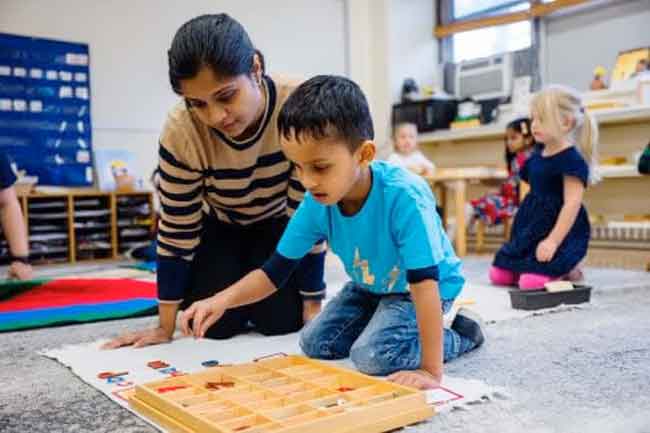
Observation Beyond Watching
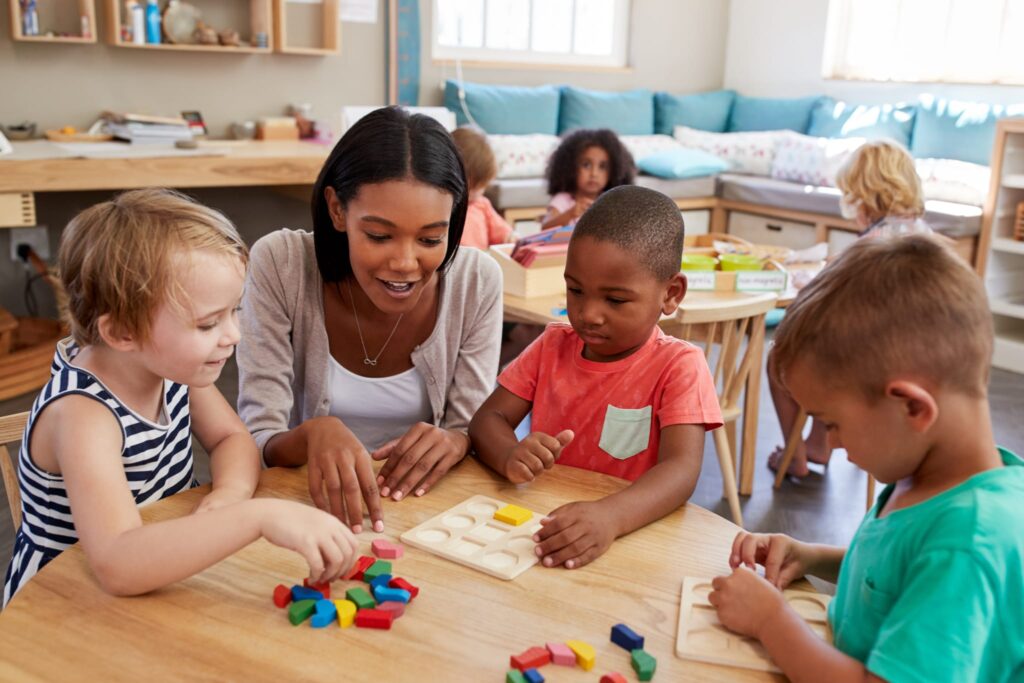
In Montessori teacher training, observation is defined as a refined professional skill rather than a passive act. Watching a child is not the same as observing with intention. True observation requires focus, patience, and a deep respect for the child’s inner developmental process.
The Scientific Nature of Montessori Observation
Dr. Maria Montessori approached education scientifically. Observation in Montessori training follows this same approach. Teachers gather data through repeated observation, looking for consistent patterns rather than isolated behaviors.
Training the Eye and Mind
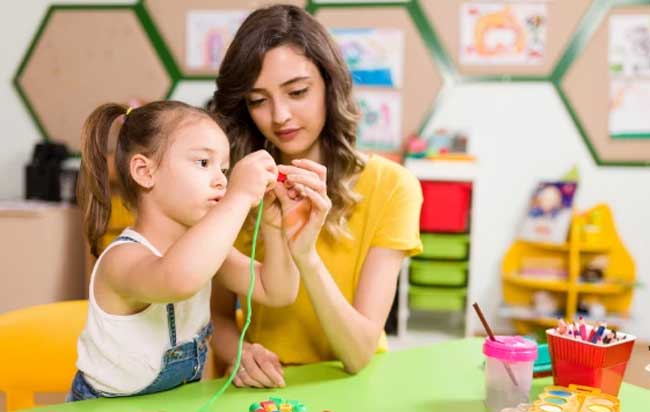
Developing observation skills requires conscious training. Montessori trainees practice noticing fine details such as hand movements, posture, rhythm of work, and emotional shifts. These details reveal readiness and unmet needs.
Separating Behavior from Meaning
One of the greatest challenges in observation is resisting interpretation. Montessori training emphasizes recording what is seen before assigning meaning. This discipline prevents misjudgment and overreaction.
Observation and Emotional Regulation
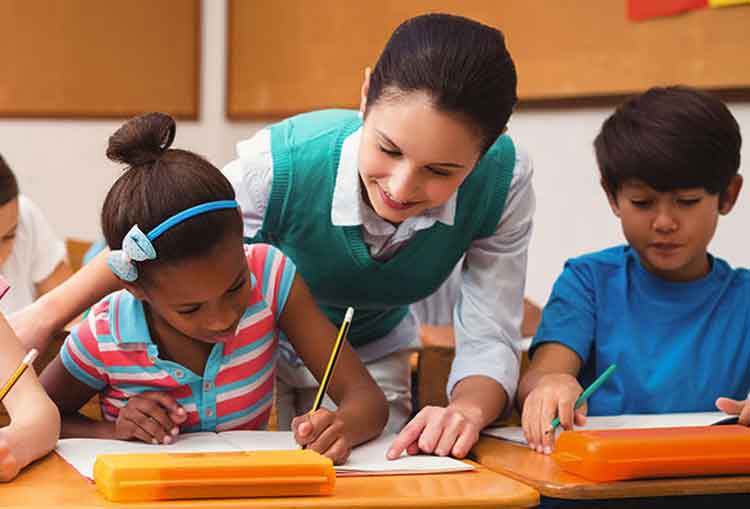
Teachers observe emotional cues such as frustration, joy, withdrawal, or excitement. These signals help the adult respond with empathy rather than control, supporting emotional intelligence development.
Understanding Work Cycles
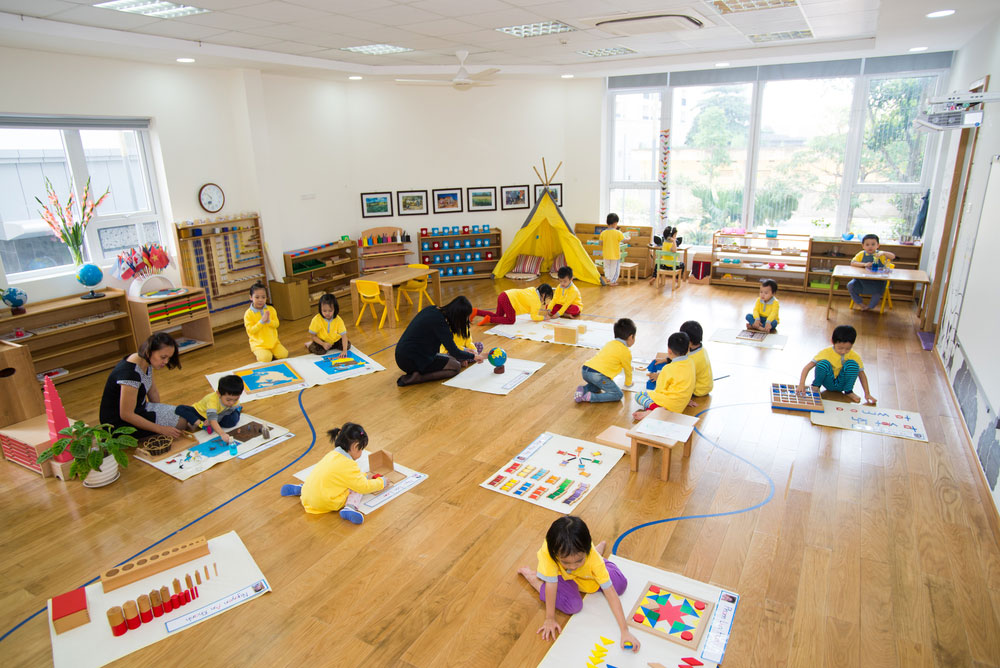
Observation allows teachers to recognize natural work cycles. Children move through phases of exploration, repetition, mastery, and transition. Respecting this cycle protects concentration and motivation.
Observation as Classroom Guidance
Rather than enforcing rules, Montessori teachers use observation to guide behavior. Many challenges resolve naturally when the environment aligns with observed needs.
The Role of Silence in Observation
Silence is a powerful tool. Montessori training teaches that unnecessary talking disrupts observation and concentration. Quiet presence allows the teacher to truly see the child.
Long-Term Development of Observation Skills
Observation matures over time. With experience, teachers gain intuitive understanding rooted in repeated, mindful observation rather than instinct alone.
Observation as Respect
To observe deeply is to respect deeply. Observation affirms the child’s individuality and supports a learning environment built on trust and dignity.