Montessori Articles

benefits-montessori

How Do Montessori Math Materials Transform Learning Activities for Children?

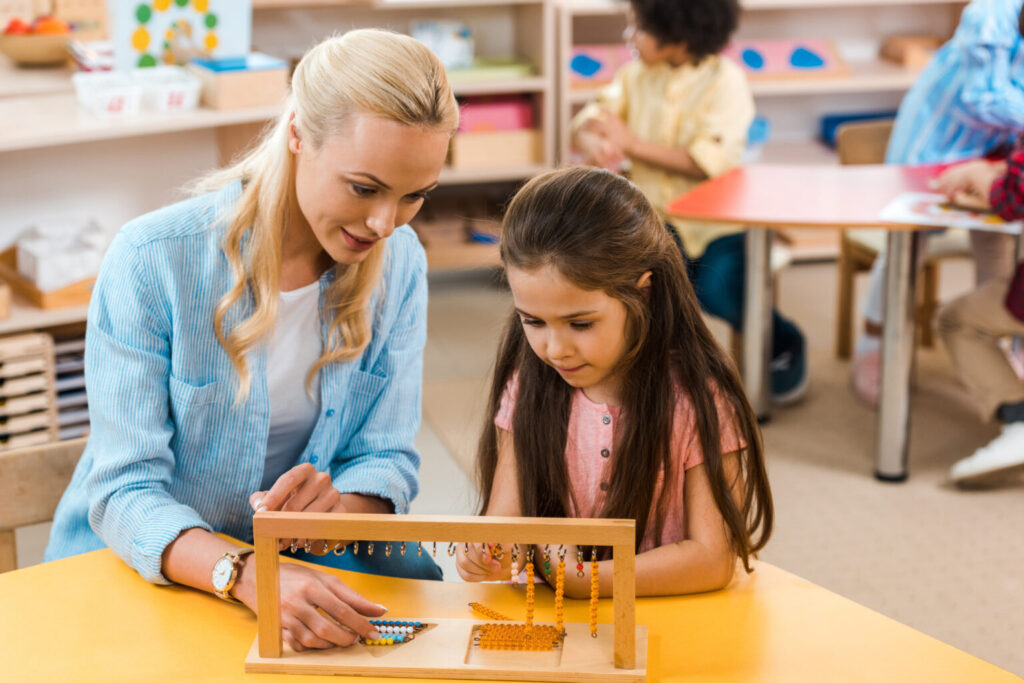
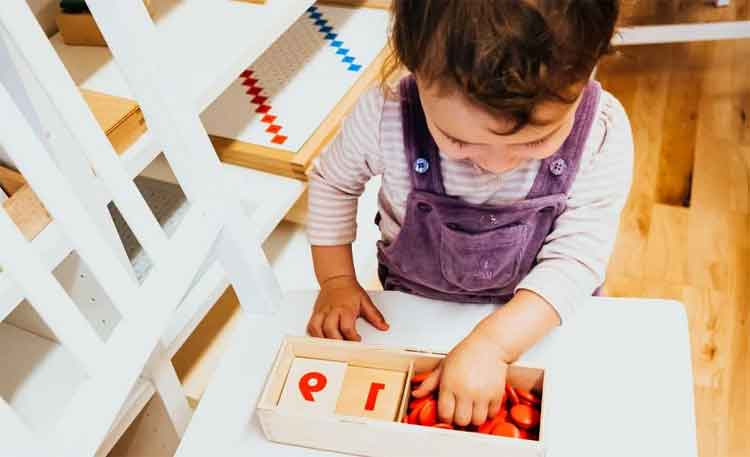
Introduction Mathematics is often viewed as an abstract and challenging subject, but Montessori education transforms math into an enjoyable and meaningful experience. Montessori math materials are designed to make abstract concepts concrete, allowing children to understand numbers through hands-on exploration. These materials help children build a strong mathematical foundation rooted in understanding rather than memorization. […]

How Do Montessori Math Materials Transform Learning Activities for Children? Read More »
montessori-math-materials

How Do Montessori Language Materials Enhance Daily Learning Activities?

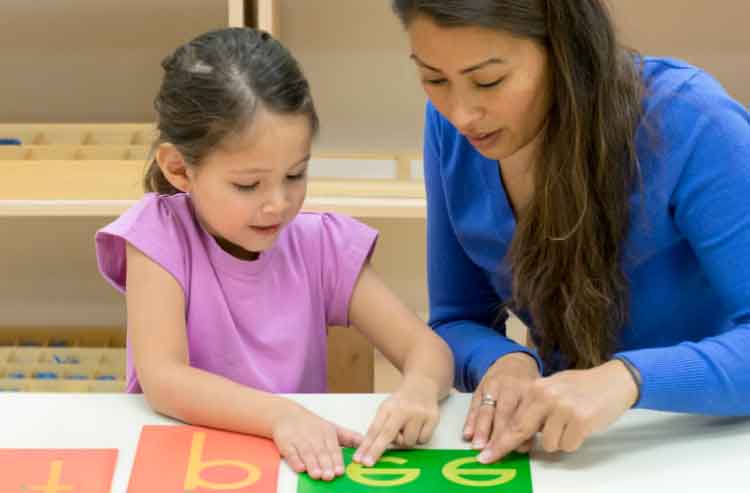
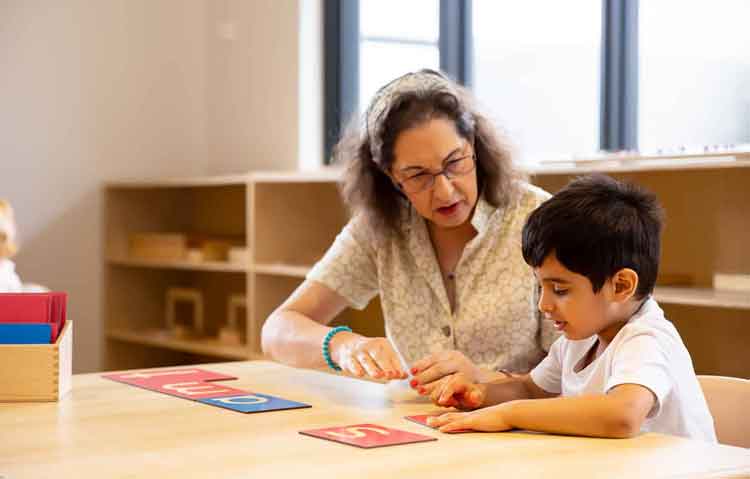
Introduction Language development is a natural and joyful process in Montessori education. Montessori language materials are designed to support children during sensitive periods for speech, reading, and writing. These materials allow children to experience language through movement, touch, and sound. Rather than forcing formal instruction, Montessori language activities follow the child’s natural readiness and interest.

How Do Montessori Language Materials Enhance Daily Learning Activities? Read More »

montessori inspired learning

How Do Montessori Sensorial Materials Enrich Learning Activities?

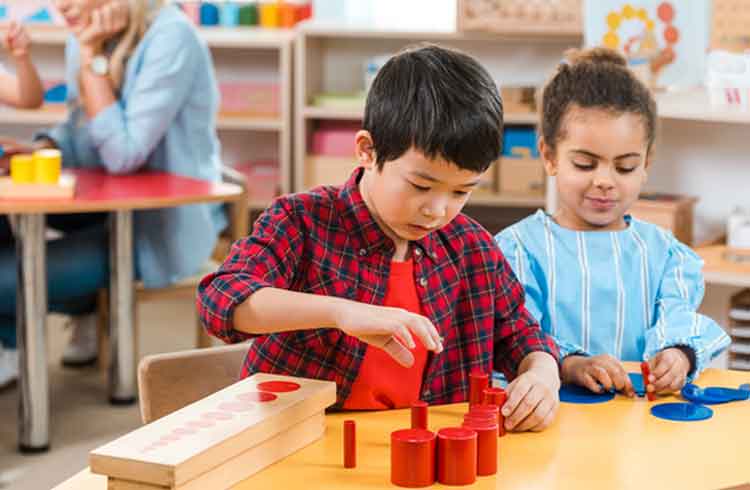
Introduction Sensorial materials are one of the most distinctive aspects of Montessori education. These materials are designed to refine the senses and help children make sense of the world through direct experience. Dr. Maria Montessori believed that the senses are the gateway to intelligence, and sensorial activities form a critical bridge between concrete experiences and

How Do Montessori Sensorial Materials Enrich Learning Activities? Read More »

toy

Why Are Montessori Practical Life Materials Central to Daily Activities?

Practical life activities are the foundation of Montessori education. These activities introduce children to purposeful movement and real-world skills that support independence and self-confidence. Purpose of Practical Life Materials Practical life materials help children develop coordination, concentration, and order. Activities such as pouring, spooning, washing, and food preparation refine motor skills and build responsibility. Care

Why Are Montessori Practical Life Materials Central to Daily Activities? Read More »

montessori-schooling-in-india

How Do Montessori Materials and Activities Support Independent Learning?

Introduction Montessori education is built on the understanding that children are naturally curious and capable of directing their own learning when given the right tools. Montessori materials and activities are intentionally designed to nurture independence, concentration, and self-confidence. Unlike conventional classroom resources, Montessori materials invite children to explore concepts actively rather than passively receiving information.

How Do Montessori Materials and Activities Support Independent Learning? Read More »

montessori-language skills

Why Is Emotional Intelligence Essential for Montessori Teachers?

Montessori education is often described as an approach that educates the whole child—mind, body, and spirit. While much attention is given to prepared environments, materials, and observation techniques, one equally critical yet sometimes overlooked aspect is the emotional intelligence of the Montessori teacher. Emotional intelligence (EI) shapes how teachers understand themselves, connect with children, respond

Why Is Emotional Intelligence Essential for Montessori Teachers? Read More »

Why Is Observation Essential?

Observation is the cornerstone of Montessori education and one of the most refined professional skills a Montessori-trained adult can develop. In Montessori teacher training, observation is not treated as a casual act of watching children but as a disciplined, scientific, and reflective practice. Dr. Maria Montessori emphasized observation as the gateway through which the adult

Why Is Observation Essential? Read More »

montessori-language-development

How Do Montessori Teachers Observe?

Observation in Montessori education is a refined practice grounded in intention, patience, and scientific curiosity. Montessori teachers observe not to judge or control but to understand and support. During Montessori teacher training, trainees are taught specific methods and attitudes that distinguish Montessori observation from casual watching.The first principle of Montessori observation is preparation of the

How Do Montessori Teachers Observe? Read More »

montessori and STEAM

How Does Montessori Communication Work?

The Purpose of Communication in Montessori Montessori communication is intentional, respectful, and minimal. The goal is not to control behavior but to empower the child to think, act, and communicate independently. Communication Through the Environment In Montessori classrooms, the environment communicates expectations. Order, accessibility, and beauty speak more clearly than verbal instruction. Language That Respects

How Does Montessori Communication Work? Read More »

montessori-language skills

Why is patience essential for a Montessori teacher?

In a world that values speed, efficiency, and instant gratification, the concept of **patience** can seem antiquated. Yet, for a Montessori educator, patience is not just a virtue; it is a foundational skill and a core philosophical commitment. Dr. Montessori believed that the adult’s greatest obstacle to the child’s development is their own impatience. She

Why is patience essential for a Montessori teacher? Read More »

error: Content is protected !!